
 Go back to overview
Understanding TMJ Disorder: Causes, Symptoms, and Treatment Options
Have you ever felt a dull ache in your jaw after a long day, or heard a clicking sound whenever you open your mouth wide? For many people, these might seem like harmless, everyday annoyances. Yet, they could be signs of a condition known as TMJ disorder, which affects the temporomandibular joint (TMJ) — the small but powerful joint that connects your jawbone to your skull.
At first glance, the TMJ may not seem important. But it is one of the most frequently used joints in the body — allowing us to speak, chew, laugh, and yawn. When something goes wrong with this joint, the effects can ripple into many areas of daily life, from eating comfortably to maintaining a good night’s sleep.
In this blog, we will explore what TMJ disorder is, why it happens, how it can affect you, and what treatment and lifestyle options are available.
What is TMJ Disorder?
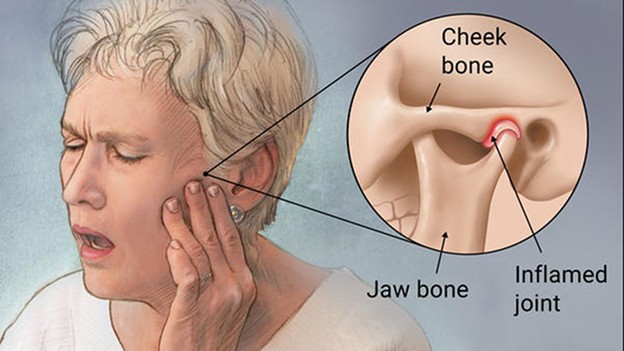
The temporomandibular joint (TMJ) is located just in front of your ears, where your lower jaw (mandible) connects to your skull (temporal bone). Think of it as a sliding hinge: it not only opens and closes but also allows side-to-side and forward-backward movement. This versatility is what makes chewing and speaking possible.
TMJ disorder occurs when there is pain, dysfunction, or misalignment in this joint or in the surrounding muscles and ligaments. Because the TMJ is so closely linked with the muscles of the face and neck, any disruption can quickly cause discomfort that spreads beyond the jaw itself.
Although it is not life-threatening, TMJ disorder can significantly reduce a person’s quality of life. Persistent pain, difficulty chewing, or even the inability to open the mouth widely can interfere with basic daily activities — leading many patients to seek professional care.
Common Symptoms of TMJ Disorder
TMJ disorder presents differently in every patient, which sometimes makes it challenging to diagnose. However, some of the most common symptoms include:
- Jaw pain or tenderness — often worse when chewing or speaking.
- Clicking, popping, or grinding noises in the joint when opening or closing the mouth.
- Locking of the jaw — the mouth may get “stuck” open or closed.
- Difficulty opening the mouth fully — some patients describe it as feeling like an invisible block.
- Headaches and ear pain — because of the joint’s proximity to the ear and surrounding muscles.
- Pain in the face, neck, and shoulders — often linked to muscle tension caused by the disorder.
- Tiredness in the jaw muscles — especially after chewing tough or chewy food.
Many patients initially ignore these symptoms, assuming they are temporary. However, untreated TMJ disorder can worsen over time, causing chronic pain, sleep disturbances, and even changes in bite alignment.
What Causes TMJ Disorder?
The exact cause of TMJ disorder is often complex, as it usually results from multiple factors. Some of the most common contributors include:
- Teeth grinding and jaw clenching (bruxism)
Often linked to stress, this can place enormous strain on the jaw muscles and joint, especially during sleep. - Misaligned bite or missing teeth
When teeth don’t meet evenly, the jaw joint has to work harder, which may lead to discomfort over time. - Injury to the jaw
Trauma, such as a sports injury or accident, can directly damage the joint or surrounding tissues. - Arthritis
Just like other joints in the body, the TMJ can be affected by degenerative or inflammatory arthritis, leading to stiffness and pain. - Lifestyle factors and stressStress often leads to unconscious habits like clenching the jaw, which can trigger or worsen TMJ disorder.
Understanding the root cause is vital because treatment must be tailored to each patient’s individual situation.
How is TMJ Disorder Diagnosed and Treated?
Diagnosing TMJ disorder usually begins with a thorough dental examination. Your dentist may:
- Check your jaw movement and listen for sounds such as clicking or popping.
- Examine your bite and look for signs of teeth grinding.
- Use imaging techniques such as X-rays, CBCT scans, or MRI to get a clearer view of the joint structure.
Treatment Options
The good news is that most TMJ disorders can be managed with conservative treatments, without the need for surgery. Common approaches include:
- Custom night guards or splints: These help reduce teeth grinding and take pressure off the joint during sleep.
- Physiotherapy: Targeted exercises and massage can relax the muscles and improve joint mobility.
- Medications: Anti-inflammatory drugs or muscle relaxants may be prescribed for short-term relief.
- Stress management techniques: Learning to reduce tension through mindfulness, breathing exercises, or yoga can prevent jaw clenching.
- Dental treatments: In cases of bite misalignment, orthodontic treatment or restorative work may be recommended.
Surgery is considered only in rare cases when conservative treatments fail.
Everyday Tips for TMJ Health
While professional care is essential, there are many simple steps patients can take at home to protect their jaw health:
- Avoid hard or chewy foods such as nuts, crusty bread, or chewing gum.
- Maintain good posture — keeping your head and neck aligned reduces pressure on the jaw.
- Apply warm compresses to relax sore muscles.
- Practice relaxation techniques to reduce stress-driven clenching.
- Be mindful of habits such as biting nails or chewing pens.
These small changes, combined with professional guidance, can make a big difference in reducing discomfort.
Patient Story: Life-long Suffering With TMJ Disorder
Carolyn, now 59, was first diagnosed with TMJ disorder in her early twenties after a car accident and pre-existing bite issues. At that time, her condition caused functional difficulties but little pain. Over the past decade, however, her symptoms have progressed into severe, chronic pain resembling “bone-on-bone” discomfort, greatly impacting daily life activities such as talking, eating, and even smiling.
Despite decades of treatment—including custom splints, equilibration, and specialist consultations—her pain continues to limit her quality of life. Management is complicated by her inability to tolerate standard pain medications without significant side effects. She also experiences muscle spasms and possible arthritis-related changes, which further worsen her condition.
Carolyn’s story highlights the profound physical, emotional, and social toll TMJ disorder can take. Her resilience, alongside the support of her family, underscores the importance of comprehensive, individualized care. It also reflects the ongoing need for effective pain management strategies that extend beyond traditional approaches, especially for patients with complex medical challenges.
To read Carolyn’s full story, please visit https://tmj.org/meet-carolyn/
Written by Happy Dentistry
Happy Dentistry is a General Dentist Clinic located on Swanston Street in the heart of Melbourne CBD. The practice aims to give patients the best quality dental care every visit.
About HealthShare
HealthShare is a leading digital health company. We are dedicated to improving health outcomes for patients through our innovative products for GPs, Specialists, Health organisations and more. To see how we can help you, visit HealthShare.