
 Go back to overview
What is Autism Spectrum Disorder? Signs, Symptoms, and Early Diagnosis
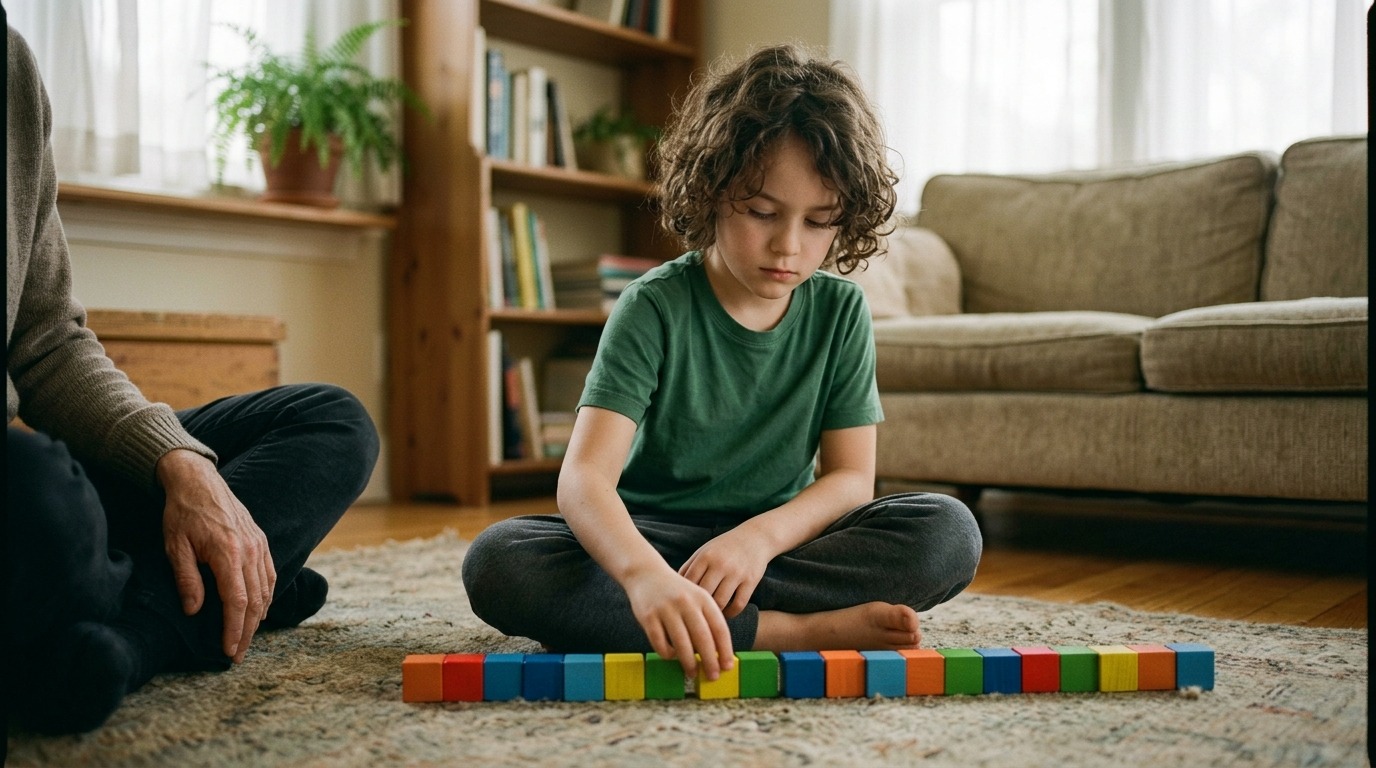
People may notice some individuals, or even their own children, acting differently in social settings, which often leads them to wonder why they behave that way. In some cases, these differences may be related to autism spectrum disorder, a neurodevelopmental condition that affects how a person communicates, behaves and interacts with the people around them.
It is stated in an article by the Australian Bureau of Statistics that in 2022, approximately 290,000 Australians were affected by autism, which makes it 1.1% of the population.
The word spectrum explains much about the condition, as there is a wide range of symptoms and severity. Several factors will be explained to help you better understand what autism is, its signs and symptoms and how it is diagnosed.
What Is Autism Spectrum Disorder?
Autism, also known as autism spectrum disorder (ASD), is a lifelong condition that can affect how a person interacts and behaves with others around them. Many individuals may experience difficulties with:
- Social interactions
- Communication
- Restricted or repetitive interests and behaviours
The word spectrum tells us about how diverse the condition actually is. If we talk about two people experiencing autism, one person might be highly verbal and academically strong, whereas another might be non-verbal and may require full-time support.
This condition was broken down into separate diagnoses like Asperger’s syndrome, classic autism, and PDD-NOS. Since DSM-5, which was introduced in 2013, all of them are grouped under a single term, which is autism spectrum disorder.
According to ABS, the rate of autism is higher in males (1.6%) than in females (0.7%). The important thing to note is that the females are often underdiagnosed, partly because of masking behaviour, which keeps the symptoms hidden.
It is a neurodevelopmental difference, not an illness or a disease. With the right support, people with ASD can build on their strengths and lead fulfilling, meaningful lives.
Early Signs of Autism – What To Look For In Babies and Toddlers
In Australia, many children with ASD show symptoms by 12 to 18 months of age. They may show signs at an early age and then experience regression. This means that when they reach 1 to 2 years, they may lose skills that they previously developed, like language or social engagement.
Signs By 12 months
Children with ASD by 12 months don’t babble, gesture (waving, reaching) or point at things like they used to do, nor do they respond when their parents call out their name. Some children will be making limited eye contact, and when someone smiles at them, they don’t smile back.
Signs By 18–24 Months
Children experiencing ASD at the age of 18 to 24 months show the following signs:
- No single words by 16 months
- No two-word phrases by 24 months
- Loss of language or social skills developed previously
- Not engaging in simple pretend play
- Unusual reactions to sounds, textures, lights, or tastes (sensory sensitivities)
- Repetitive movements like hand-flapping, rocking, or spinning
According to NICHD, some children with autism regress, meaning they stop using language, play, or social skills that they’ve already learned. This regression may happen between the ages of 1 and 2 years.
Parents who are noticing these signs in their children should know that it does not mean that their kids are experiencing ASD, but it is a reason to speak to a doctor quickly.
Signs And Symptoms Of Autism In Older Children
Some children are identified with ASD in their toddler years. Some of them, particularly girls and children with mild autism, may not be recognised until they reach school age or adolescence. This is because autistic children develop a coping strategy in which they mask their symptoms, making their challenges less visible to parents and teachers.
As they grow older, signs of autism become clearer, and they fall into three categories.
1. Social Communication And Interaction Difficulties
One of the most common signs in older children is that it is hard for them to navigate social situations. This does not mean they don’t want to connect with people, but the unwritten rules of social interaction make it confusing and exhausting.
They struggle to understand facial expressions, body language, and tone of voice. Along with that, they find it difficult to make new friends and keep old ones, as they often prefer to play alone rather than with someone else.
They also find it hard to take turns in conversation or stay on a topic that others have introduced. Moreover, they take the language seriously as they miss the point of sarcasm, jokes or figures of speech.
2. Restricted And Repetitive Behaviours
CDC reports that people with ASD have behaviours or interests that can seem unusual. These behaviours or interests set this health concern apart from conditions defined by problems with social communication and interaction only.
People may observe that a child has:
- Strong attachment to routines, and they become very distressed when routines change
- Intense and narrow interests, like they show a strong focus on one topic or object
- Repetitive motor movements such as hand-flapping, rocking or spinning as a means to self-regulate emotions
- Repeating words or phrases that are out of context (echolalia)
- Lining up objects in a specific way and becoming upset when the order is disturbed
3. Sensory Sensitivities
Many autistic children see the world through a sensory lens in which senses are either increased or lowered as compared to others. This can have a huge impact on daily life, from school performance to basic tasks.
They may be over- or under-sensitive to sound, light, touch, taste or smell and may have a strong discomfort with certain fabrics, clothing tags or physical textures.
It is worth noting that experiencing any one of these signs in isolation does not mean a child has ASD. Many children go through phases of difficult thinking or sensory sensitivity. What makes it point toward autism is the combination and continuation of these patterns across different settings, at home, at school, and in social situations.
How Is Autism Diagnosed?
There is no single blood or medical test for ASD as the diagnosis for this medical health condition is behavioural and observational. The universal diagnostic methodology used for this health concern is the American Psychiatric Association’s Diagnostic and Statistical Manual, Fifth Edition (DSM-5).
The Australian diagnosis process usually begins with a GP referral, and from there, a referral is made to a team of specialists, depending on the person’s age.
- For children, a multidisciplinary team typically includes a paediatrician, psychologist, and speech pathologist.
- For adults, a psychiatrist and psychologist collaborate, sometimes also involving a speech pathologist.
The process involves gathering information based on the observation of behaviour, developmental history, and input from parents, teachers and carers. This is important as autism presents uniquely across different settings, like a child with ASD shows distress at home and holds it together in school and vice versa.
The reality is that the process can take time and can feel overwhelming for families, and that getting a referral early is always better than waiting. Waitlists for paediatricians and psychologists can stretch from months to over a year in some regions.
If a person wants a consultation without waiting long, a telehealth platform may help reduce the waiting period, and they can consult with a registered professional from home.
Conclusion
In conclusion, Australians facing autism spectrum disorder should know that this is a lifelong and difficult condition. If one understands its early signs, symptoms and diagnostic process, then they can make a meaningful difference in outcomes.
Telehealth platforms provide easy access for those who are seeking professional guidance from home. These services are making it easier for Australians by removing barriers like waiting times and geographical distance.
Autism is not a limitation but a different way of experiencing the world. With the right support systems in place, individuals on the spectrum can lead fulfilling lives.
Written by ExpertMinds
ExpertMinds is an Australian digital mental health platform that provides accessible and professional psychological support through online consultations including psychological assessments and early screening, therapy and counselling for children, adolescents, and adults, support for neurodevelopmental conditions, and ongoing mental health care tailored to individual needs.
About HealthShare
HealthShare is a leading digital health company. We are dedicated to improving health outcomes for patients through our innovative products for GPs, Specialists, Health organisations and more. To see how we can help you, visit HealthShare.